31 May 2026
Tracing the Code: Algorithmic Reward Patterns at Themed Virtual Gaming Portals
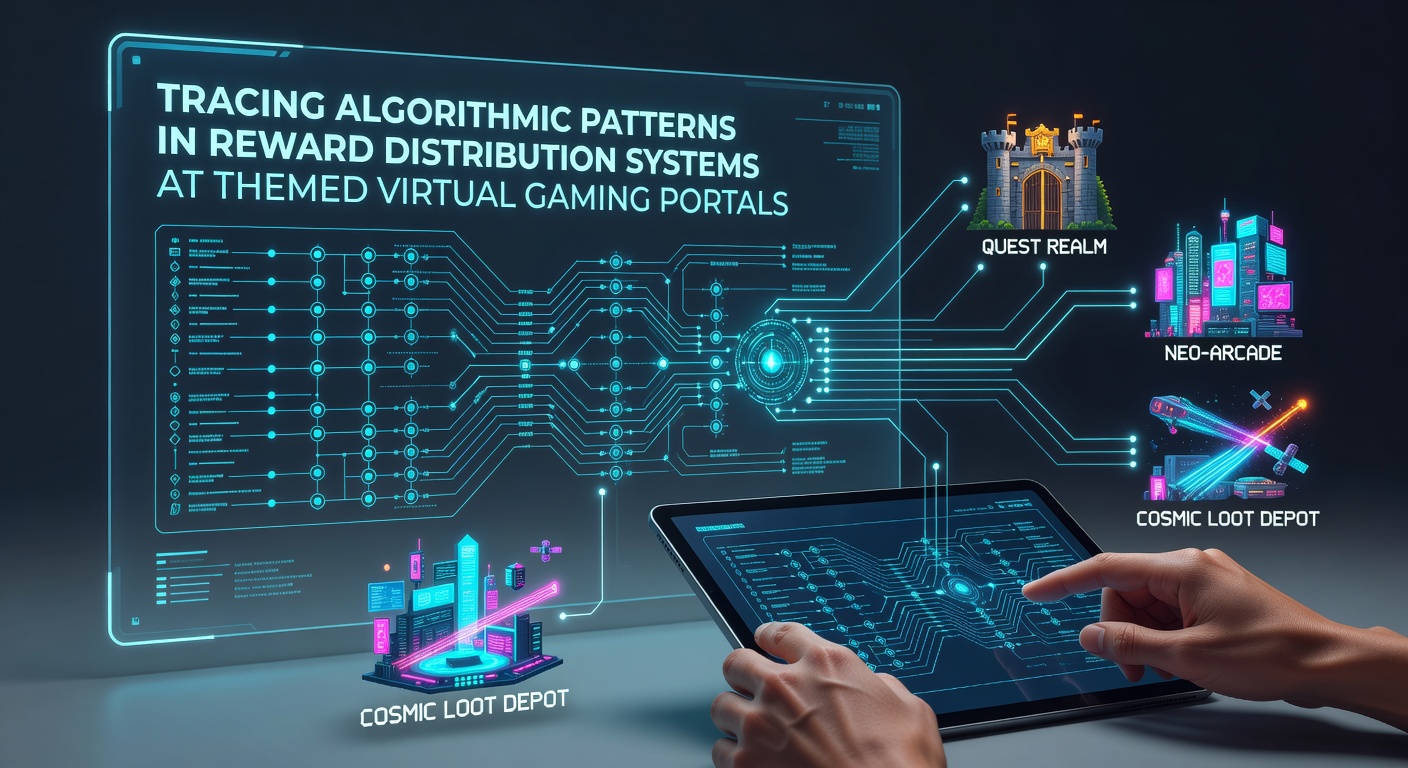
Virtual gaming portals built around specific themes rely on layered algorithms to manage reward distribution, and observers note that these systems follow detectable patterns tied to player behavior metrics, session length, and engagement triggers. Researchers have examined how such platforms allocate bonuses, loyalty points, and progressive rewards through code structures that adjust in real time based on predefined variables. Data from industry reports indicates these algorithms often incorporate weighted probability models that shift payouts according to theme-specific events, such as completing narrative arcs or unlocking virtual achievements.
Core Components of Reward Algorithms
Algorithm designers typically embed several core modules into reward systems at themed portals, including random number generators calibrated for thematic consistency, player segmentation engines that categorize users by activity levels, and feedback loops that modify future distributions based on prior outcomes. Studies conducted by academic institutions show these modules operate in sequence, with the segmentation engine feeding data into the generator to determine eligibility windows for rewards. Figures from regulatory filings reveal that many platforms update these parameters monthly to align with seasonal theme changes or promotional cycles.
One pattern frequently identified involves tiered multiplier systems where rewards scale exponentially once a player crosses certain activity thresholds, and this structure appears consistently across portals that feature science fiction or adventure motifs. The multipliers activate through conditional checks that reference historical play data, creating clusters of higher-value distributions during peak engagement periods. Analysts tracking these systems point out that the clustering effect helps maintain steady participation rates without direct manual intervention.
Influence of Thematic Design on Distribution Logic
Themed elements shape how algorithms prioritize reward triggers, since narrative milestones or visual milestones serve as input signals that alter payout probabilities. For instance, portals centered on exploration themes often weight rewards toward progression markers rather than pure wager volume, and this weighting creates distinct algorithmic signatures compared to standard slot-based systems. Evidence collected through pattern analysis tools demonstrates that these signatures become more pronounced when portals introduce limited-time theme events, as the code temporarily elevates certain reward pathways to match event timelines.
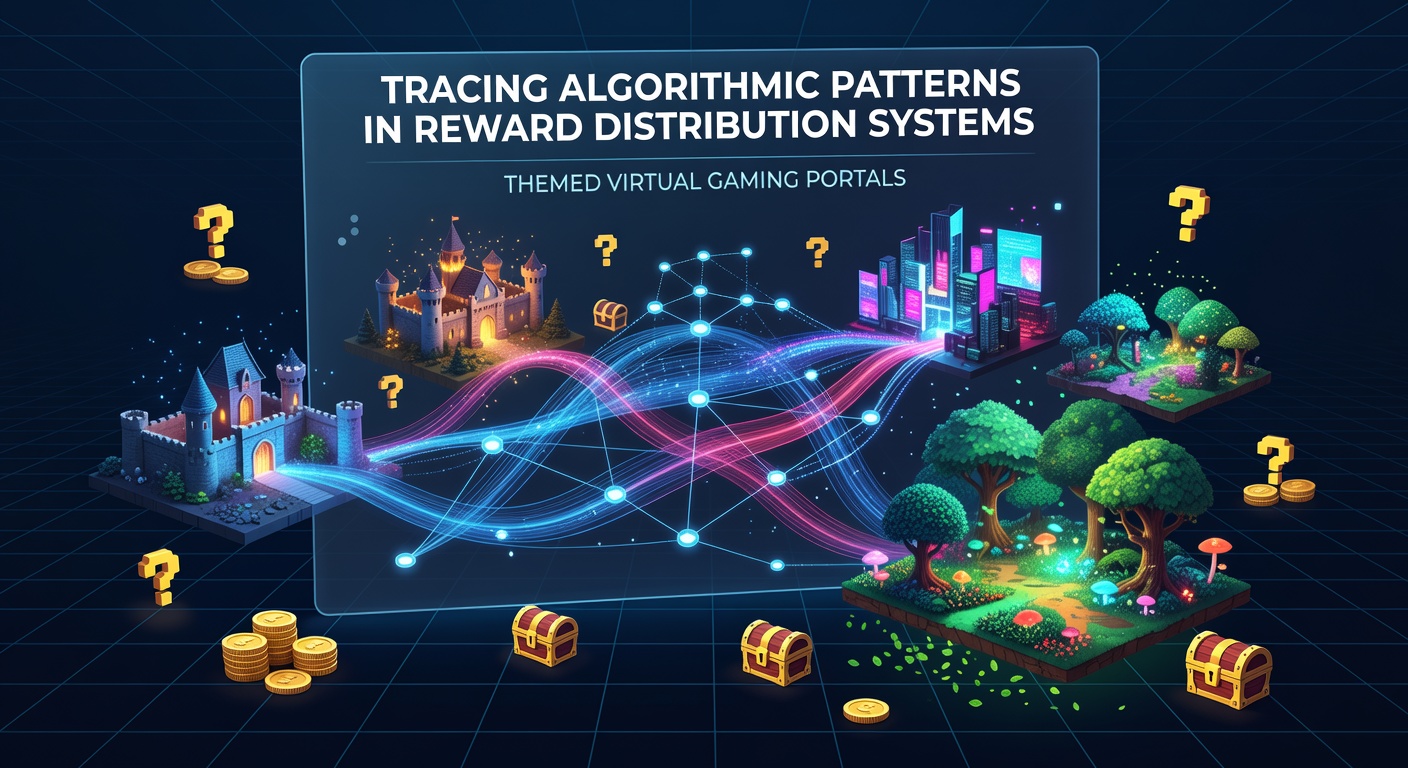
Portal operators integrate theme data directly into decision trees that govern reward release timing, and this integration produces observable cycles where rewards cluster around story completion points. Observers who have reviewed public code documentation note that such trees rely on Boolean conditions linked to user progress variables, allowing the system to deliver contextually relevant bonuses. In May 2026 several platforms rolled out updated theme modules that refined these conditions further, resulting in measurable shifts in average reward frequency according to aggregated performance metrics.
Observable Patterns Across Multiple Portals
Comparative reviews of reward logs from various themed portals uncover recurring sequences, such as initial low-value rewards designed to establish player momentum followed by larger distributions once retention thresholds activate. These sequences align with models described in research from the University of Nevada, Las Vegas gaming studies department, where analysts mapped how algorithmic pacing influences session duration. The patterns hold across different geographic regions because the underlying logic draws from shared programming frameworks rather than localized regulations.
Another documented pattern centers on cross-session memory functions that carry forward partial progress toward rewards, and this function prevents abrupt resets that could disrupt engagement. Data compiled by the Canadian Gaming Association shows portals employing this approach experience steadier reward redemption rates, particularly when themes involve ongoing storylines or character development. The memory functions interact with segmentation engines to personalize distribution curves without requiring separate code branches for each user cohort.
Regulatory Oversight and Transparency Measures
Gaming control authorities in multiple jurisdictions require operators to maintain auditable records of reward algorithms, and these requirements have prompted the adoption of standardized logging practices. The Nevada Gaming Control Board publishes guidelines that emphasize verifiable randomness testing for distribution mechanisms, while similar frameworks in Australian state regulators focus on ensuring theme-driven adjustments do not create unfair advantages. Compliance reports indicate that portals submit algorithm change logs quarterly, enabling external reviewers to trace pattern evolution over time.
Independent testing laboratories apply statistical analysis to reward datasets to confirm adherence to published probability parameters, and their findings often highlight how thematic overlays modify base distribution curves. Those who have examined the resulting audit summaries observe that deviations from expected patterns trigger mandatory recalibrations within specified timeframes. This oversight structure supports consistent application of algorithmic rules across themed environments operating under different licensing regimes.
Conclusion
Algorithmic reward distribution in themed virtual gaming portals follows identifiable structural patterns shaped by both technical design choices and thematic constraints, with ongoing regulatory frameworks ensuring traceability through documented logging and periodic audits. Continued examination of these systems provides clearer insight into how code logic translates player actions into reward outcomes across diverse portal environments.