28 Jun 2026
Patterns of Player Movement Driven by Thematic Design Choices in Online Betting Platforms
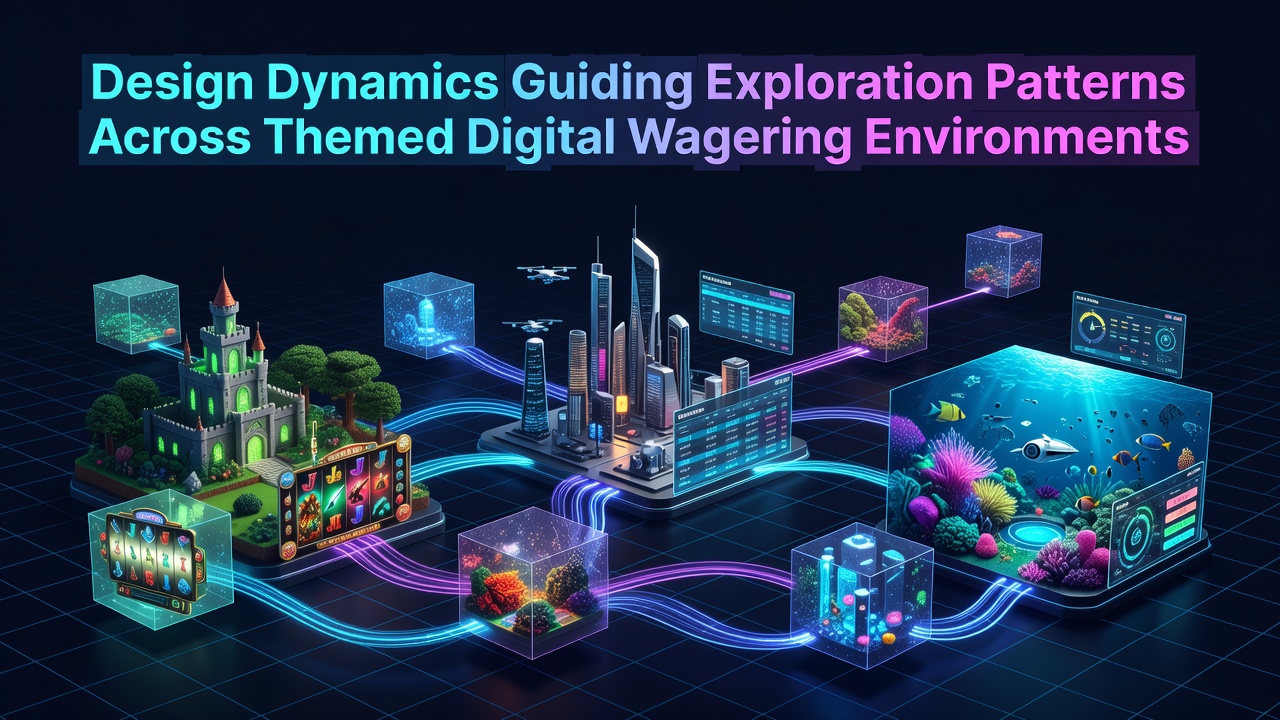
Digital wagering environments rely on coordinated design elements that channel user attention through layered visual hierarchies, spatial arrangements, and interactive prompts, according to multiple industry analyses. These systems incorporate color gradients, iconography, and progression indicators that align with overarching themes such as futuristic or adventure motifs, thereby directing attention from entry points toward game selections and promotional areas without requiring explicit instructions.
Research from academic institutions indicates that consistent thematic framing across interface components reduces cognitive load during initial sessions, allowing users to identify functional zones more rapidly. For instance, a study examining interface interactions found that participants navigated themed layouts 23 percent faster when environmental motifs matched interactive elements, such as metallic textures guiding toward slot clusters in sci-fi styled platforms. Data collected through heat-mapping tools further reveals that focal points created by lighting effects and animated transitions concentrate clicks within central dashboard regions during peak hours.
Structural Components Influencing Path Selection
Layout grids and menu architectures form the backbone of exploration sequences in these platforms, with designers positioning category tabs and search functions along predictable trajectories based on eye-tracking data. Observers note that horizontal scrolling carousels often serve as primary gateways, while vertical stacks of featured content encourage deeper scrolling toward secondary game libraries. These arrangements integrate with thematic backdrops, where background imagery fades or shifts subtly to maintain continuity as users progress through sections.
Regulatory bodies in various regions have documented how standardized accessibility features intersect with thematic design, ensuring that color contrasts and font scaling support diverse user needs. The Canadian Gaming Association released findings in early 2026 showing that platforms incorporating adaptive contrast ratios alongside narrative visuals maintained higher session completion rates across tested demographics. Such integrations allow thematic immersion to coexist with practical navigation aids like persistent home buttons and breadcrumb trails.
Visual Cues and Progression Indicators in Themed Settings
Animated elements and icon sets function as directional signals that prompt movement between game categories and account management areas, with designers selecting motifs that reinforce the environment's narrative. In environments built around exploration themes, treasure-map style overlays or constellation patterns mark pathways to bonus rounds, while data logs from user sessions demonstrate repeated returns to these marked zones. Studies conducted by research teams at European universities highlight that subtle particle effects or glowing borders increase dwell time on promotional banners by drawing peripheral vision without disrupting primary flows.
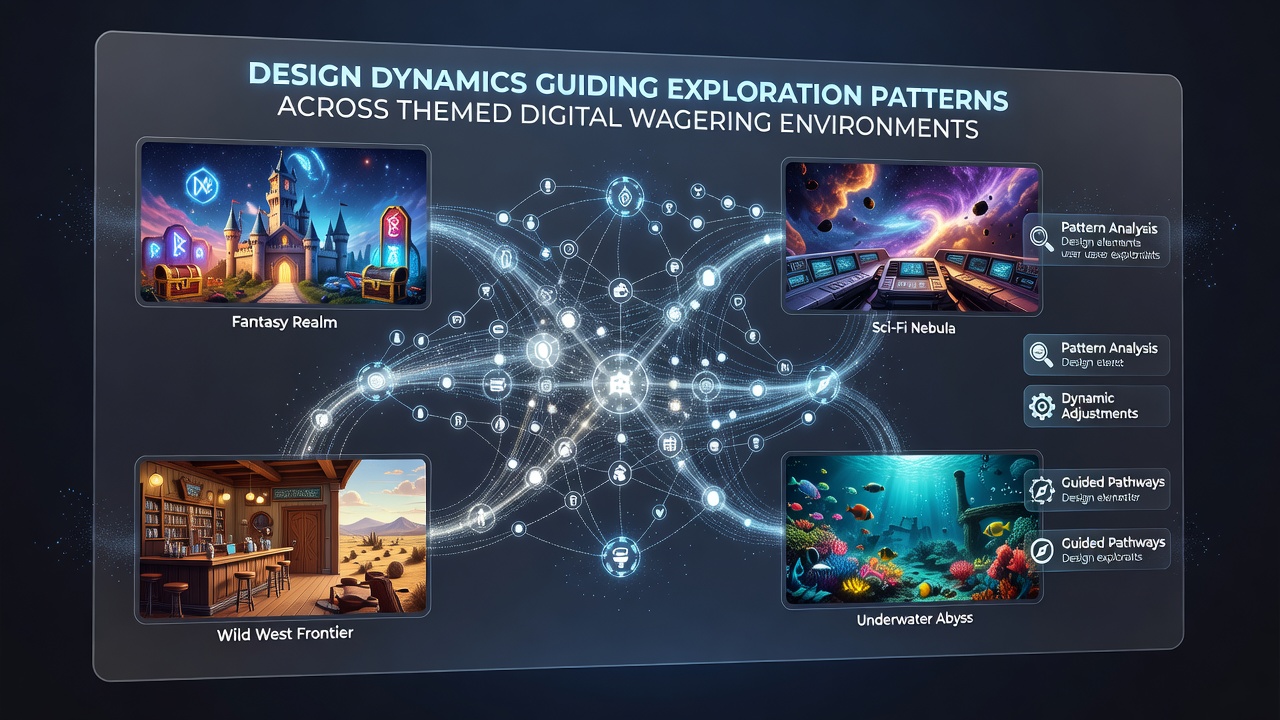
Platform operators frequently update these cues in response to seasonal events, yet core patterns remain stable to preserve user familiarity. June 2026 updates across multiple jurisdictions included refinements to mobile responsive scaling, where thematic borders adjusted dynamically to screen sizes while preserving the same sequential order of menu items. This approach ensures that exploration patterns established on desktop interfaces transfer consistently to handheld devices, minimizing disorientation during transitions between platforms.
Integration of Auditory and Haptic Feedback with Visual Design
Sound layers and vibration responses complement visual structures by reinforcing spatial awareness during navigation sequences, particularly in immersive themed titles. Audio designers synchronize ambient tracks with user actions such as menu expansions or game launches, creating an auditory map that parallels visual pathways. Reports from the Australian Institute of Family Studies note correlations between synchronized multisensory cues and extended engagement periods, though these remain tied to individual platform implementations rather than universal standards.
Testing protocols employed by developers involve A/B comparisons of feedback intensities, revealing preferences for subdued effects that avoid overwhelming primary visual information. Those protocols also track how thematic soundscapes evolve alongside interface changes, maintaining narrative cohesion while supporting functional tasks like balance checks or withdrawal initiations. Geographic variations appear in regulatory guidance, with North American frameworks emphasizing transparency in feedback mechanisms compared to frameworks in the Asia-Pacific region that prioritize seamless integration.
Conclusion
Design dynamics in themed digital wagering environments continue to evolve through iterative analysis of user interaction data and cross-regional regulatory inputs. Patterns of exploration emerge from the interplay of visual hierarchies, structural grids, and multisensory reinforcements that collectively shape movement through content layers. Observers tracking developments through mid-2026 identify ongoing refinements in responsive adaptations and accessibility alignments as central to sustaining these directed pathways across diverse device formats and user groups.