7 Jun 2026
Navigating Themed Digital Casino Landscapes: Interface Patterns at Breakaway and Scifi Venues
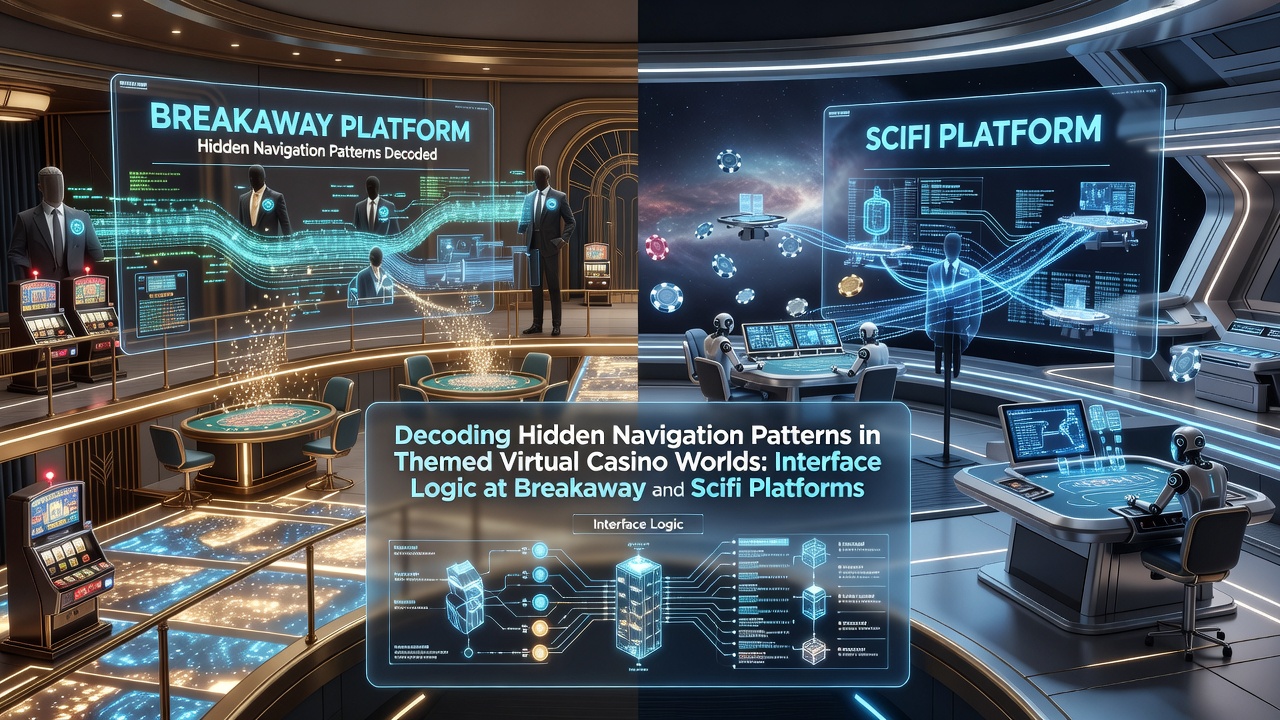
Virtual casino environments built around distinct themes rely on carefully constructed interface systems that guide player movement through layered menus, visual cues, and interactive zones, and observers note how these systems differ between platforms like Breakaway and Scifi. Research from gaming analytics firms indicates that thematic consistency influences how users locate games, access account tools, and transition between sections without explicit instructions appearing on screen. Data collected across multiple sites shows that players complete navigation tasks faster when color palettes, icon styles, and spatial arrangements align with the overarching theme, whether it draws from adventure motifs or futuristic settings.
Core Components of Interface Logic
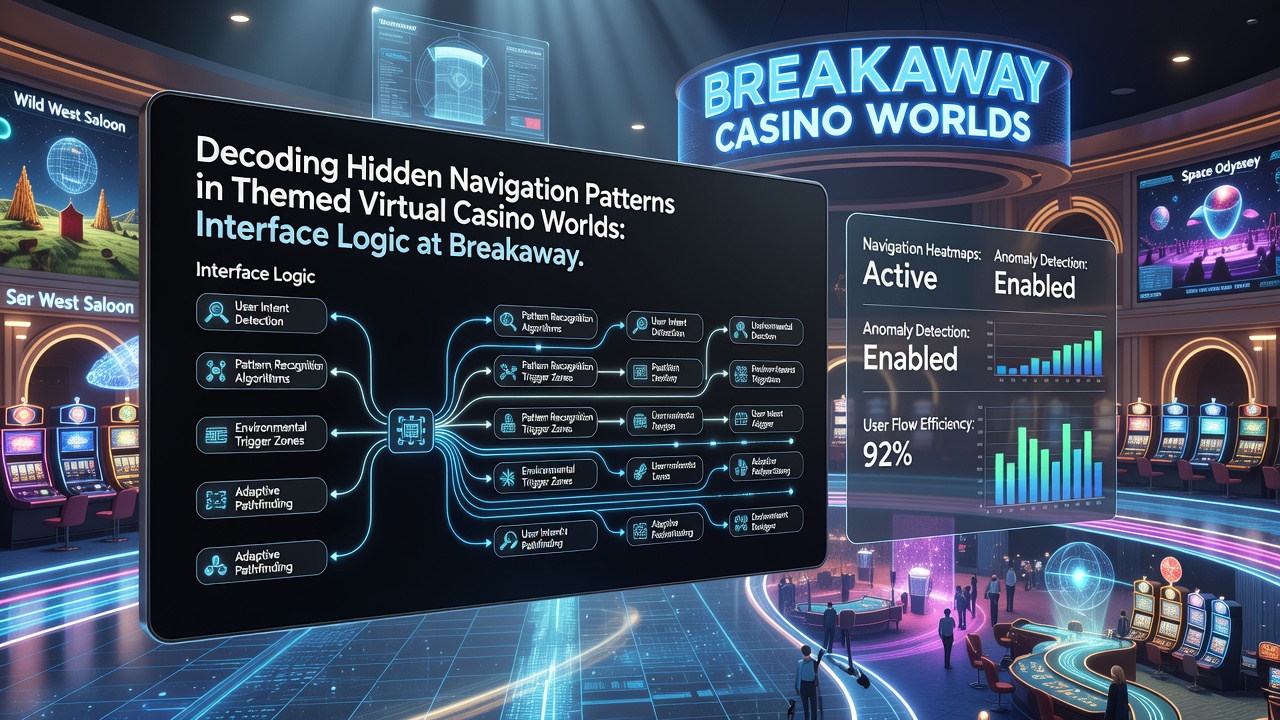
Interface logic encompasses the rules that determine menu placement, button responsiveness, and information hierarchy, and studies conducted by European gaming research groups reveal that these rules become more pronounced in themed environments. Breakaway structures its main dashboard around exploration-style pathways where side panels expand into sub-menus resembling map routes, while Scifi employs radial selection wheels that rotate to reveal game categories as if accessing ship systems. Both approaches reduce visible clutter yet maintain access to core functions such as deposits, game filters, and loyalty tracking, and figures from industry reports confirm that such designs correlate with longer session durations when users adapt to the spatial metaphors.
Hidden navigation patterns emerge when repeated user actions trigger predictive loading of adjacent screens or pre-select filters based on prior choices, and analysts tracking behavior in June 2026 documented an increase in these automated assists following platform updates. One pattern observed at Breakaway involves the automatic highlighting of progressive jackpot areas after a player spends time in related slot sections, whereas Scifi surfaces multiplayer tournament links after users engage with strategy-based table games. These mechanisms operate through backend algorithms that interpret interaction sequences rather than direct clicks, and data shared by platform operators demonstrates measurable reductions in time spent searching for specific titles.
Thematic Influences on Breakaway Navigation
Breakaway integrates its adventure narrative into every layer of the interface so that category headings appear as trail markers and progress indicators resemble expedition logs, and researchers examining similar designs report that players instinctively follow these visual threads toward high-volatility game clusters. The left-hand navigation bar collapses into a compact compass icon during gameplay, allowing quick returns to the lobby without disrupting immersion, while bottom-screen toolbars surface context-sensitive options such as bonus trackers only when certain achievement thresholds are met. Observers tracking player paths note that these conditional elements appear more frequently after June 2026 refinements that synchronized reward animations with exploration milestones.
Scifi Platform Spatial Arrangements
Scifi arranges its content within a simulated control deck layout where central displays rotate through game selections and peripheral panels hold account management functions, and university-led usability tests have measured how this layout affects eye-tracking patterns during extended sessions. Hidden shortcuts activate when users hover over holographic-style icons for set durations, revealing filtered lists of new releases or themed events without additional menu layers. Reports compiled by North American gaming associations show that such hover-triggered features increase discovery rates of lesser-known titles by directing attention toward dynamic content zones that update in real time.
Data Patterns and User Flow Metrics
Analytics compiled through June 2026 indicate that both platforms register higher engagement when navigation sequences incorporate subtle feedback loops, such as color shifts confirming successful section transitions or brief loading animations that reinforce thematic continuity. Breakaway users tend to favor sequential exploration that mirrors story progression, while Scifi sessions show more branching behavior as players experiment with multiple radial selections in quick succession. Cross-platform comparisons published by international gambling research centers highlight that these differences persist across demographic groups, suggesting that theme-specific logic shapes behavior independently of individual preferences.
Additional layers of interface logic include gesture-based shortcuts on mobile versions and keyboard equivalents on desktop clients, and testing data reveals that players who master these options reduce average navigation time by measurable margins. Breakaway supports swipe gestures that mimic flipping through expedition journals, whereas Scifi utilizes pinch-to-zoom actions that expand holographic overlays containing game statistics. Regulatory filings from Australian oversight bodies note that such accessibility features must remain consistent with responsible gaming prompts, which both platforms embed as non-intrusive side panels that appear during prolonged activity periods.
Conclusion
Interface logic at themed virtual casino platforms continues to evolve through incremental refinements that balance immersion with functional clarity, and patterns observed at Breakaway and Scifi illustrate how thematic choices directly influence the pathways players follow. Continued monitoring of interaction data through 2026 and beyond provides further insight into these systems as they adapt to new devices and user expectations, with external references such as reports from the Australian gambling regulatory framework and studies issued by the Nevada State Gaming Control Board offering additional context on design standards across regions.