1 Jul 2026
Narrative Structures and Their Influence on Sustaining User Engagement in Themed Digital Casino Platforms

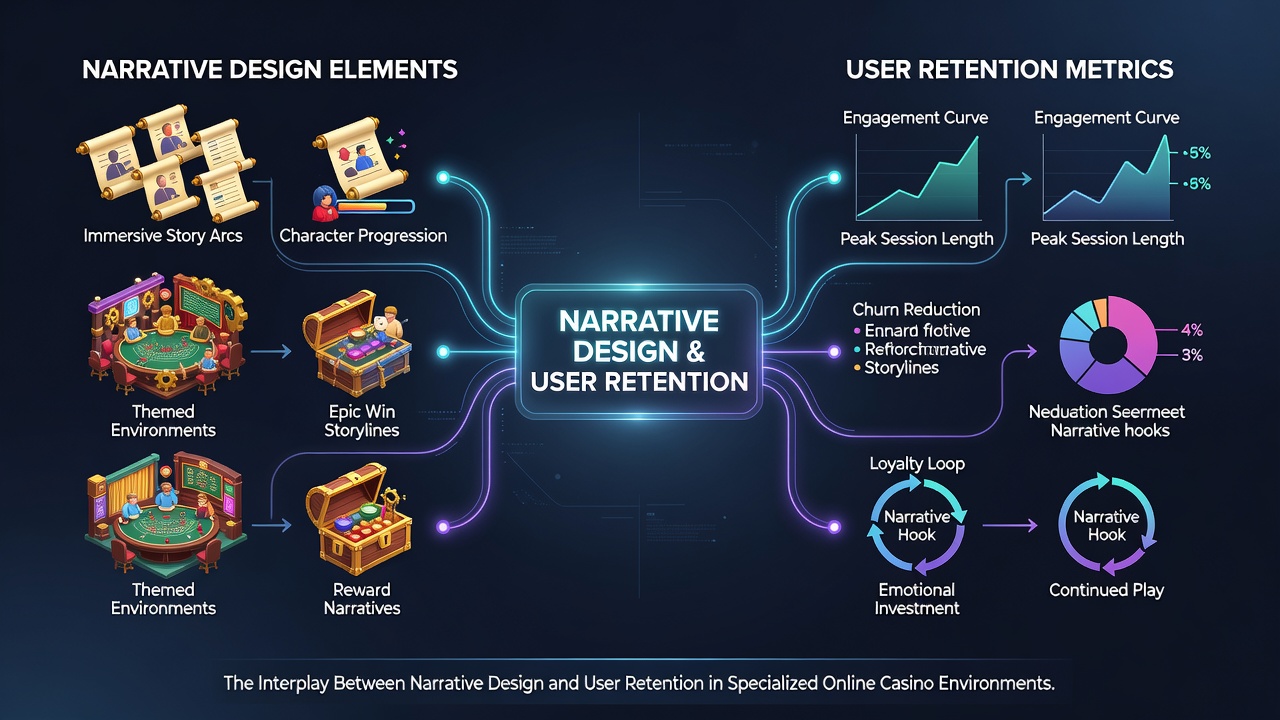
Specialized online casino environments rely on narrative design to shape how players interact with games and progress through virtual spaces, and this approach connects directly to retention patterns observed across multiple platforms. Developers incorporate story arcs, character development, and thematic consistency to create environments where users return repeatedly, while data from industry reports shows that platforms emphasizing these elements often record higher session durations compared to standard formats.
Core Elements of Narrative Design in Digital Gambling Spaces
Researchers have identified several components that define narrative design within these settings, including layered backstories for slot themes, progressive missions tied to table games, and overarching world-building that unifies different game categories. These features allow players to experience a sense of continuity, and when executed across specialized sites focused on science fiction or adventure motifs, the structure encourages repeated logins to advance personal progress within the story. Observers note that such designs mirror techniques used in video games, yet they adapt specifically to gambling mechanics by linking rewards to plot developments rather than isolated spins or hands.
According to findings from the Australian Institute of Criminology, thematic consistency in online gambling interfaces correlates with extended user sessions, because players become invested in outcomes that feel part of a larger sequence. This integration happens through visual cues, audio narratives, and reward systems that unfold gradually, and platforms that apply these methods report measurable differences in how long individuals remain active before churning.
Connections Between Storytelling and Retention Metrics
Retention in specialized online casinos often tracks closely with how effectively narrative elements guide player behavior over time. Data indicates that users who engage with story-driven features tend to complete more transactions per visit, while those on non-narrative sites show quicker drop-off rates after initial trials. One study from the University of Nevada, Las Vegas examined player logs across themed environments and found that narrative progression systems increased return visits by aligning in-game achievements with external incentives like loyalty tiers.
But here's the thing: retention does not stem solely from the story itself. It emerges when narrative design aligns with regulatory standards that govern bonus structures and payout transparency, and platforms operating in regions with strict oversight maintain these alignments more consistently. In July 2026, industry shifts such as the permanent closure of certain land-based venues highlighted how digital alternatives absorbed displaced users, and those with strong narrative frameworks captured a larger share of that transition by offering immersive continuity that physical sites could not replicate.
Implementation Across Specialized Platforms
Specialized environments differentiate themselves through targeted narrative choices that match their core themes, and this specificity influences how different user groups respond. Futuristic settings might employ branching storylines based on player decisions during bonus rounds, whereas adventure-themed sites use exploration mechanics that unlock new chapters tied to deposit activity. Evidence suggests these tailored approaches reduce churn because they create emotional investment beyond the mechanical aspects of betting.
Those who've analyzed user behavior across multiple jurisdictions point out that narrative layers also support compliance efforts. By embedding educational content about responsible play into the story framework, platforms satisfy requirements from bodies such as the Canadian Centre for Addiction and Mental Health while keeping engagement high. This dual function turns potential interruptions into natural extensions of the experience, and retention figures reflect the resulting stability.
Measurement Approaches and Observed Patterns
Analytics teams track retention through metrics that include repeat login frequency, average revenue per user over thirty-day windows, and completion rates for narrative milestones. Figures reveal that sites incorporating adaptive storytelling see steadier growth in these areas, particularly when updates introduce new chapters that respond to community feedback. External audits confirm these patterns hold across different regulatory environments, and the consistency points to narrative design as a structural factor rather than a temporary trend.
What's interesting is how these patterns interact with broader market events. When land-based operations face closures or license changes, online platforms with established narrative identities attract users seeking familiar continuity, and the transition often preserves engagement levels that might otherwise decline during shifts in access.
Conclusion
The relationship between narrative design and user retention in specialized online casino environments rests on measurable alignments between story mechanics, player progression, and operational transparency. Research from academic and regulatory sources continues to map these connections across regions, and the data supports ongoing refinement of thematic systems to match evolving player expectations. As digital platforms absorb larger portions of the market, particularly following events like the July 2026 venue closures, narrative frameworks remain central to sustaining long-term participation without relying on isolated promotional tactics.