12 Jul 2026
Interface Themes Shaping Deposit Trends in Specialized Virtual Gaming Platforms
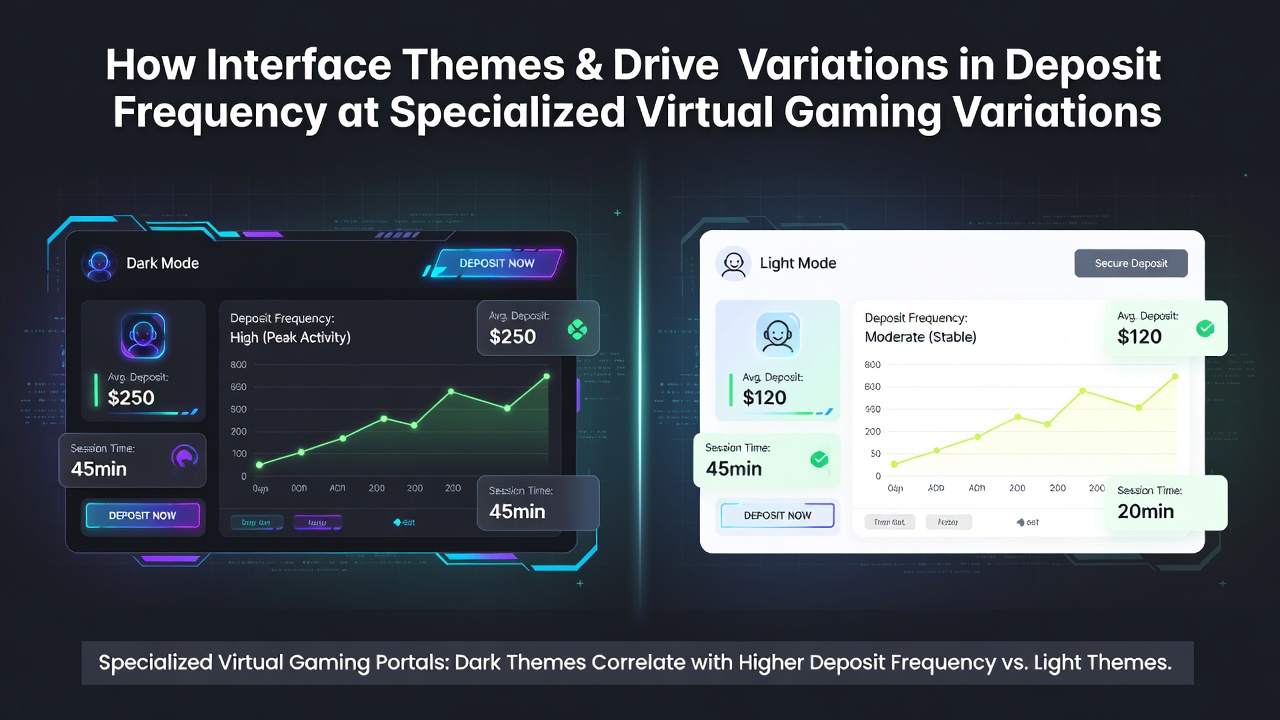
Specialized virtual gaming portals organize their interfaces around distinct thematic frameworks that include futuristic motifs, adventure narratives, and stylized environments, and these choices correlate with measurable differences in how often users complete deposit actions. Observers note that color palettes, navigation flows, and visual prompts interact with player expectations in ways that produce consistent patterns across platforms.
Thematic Elements and User Pathways
Design teams construct portals with layered visual cues that guide attention toward funding sections, and data from multiple sites shows deposit frequency rising when themes align with rapid visual feedback loops. For instance platforms featuring high-contrast neon elements paired with animated progress indicators record higher repeat deposits within single sessions compared to those using muted palettes and static menus. Researchers tracking session logs have documented that users encountering seamless transitions between game selection and deposit prompts tend to repeat the action more frequently within the same hour.
Navigation architecture plays an equal role. Portals that embed deposit buttons within thematic storylines rather than isolating them in standard menus see elevated completion rates according to aggregated analytics from industry monitoring services. Those who've examined user heatmaps across dozens of specialized sites report that thematic consistency reduces hesitation points, allowing players to move from exploration to transaction without additional cognitive load.
Observed Variations Across Categories
Comparative analysis reveals clear differences when portals cluster around specific genres. Adventure-themed environments often produce steadier deposit spacing throughout the week, while high-intensity sci-fi layouts concentrate activity in shorter bursts during evening hours. Studies conducted by academic teams at institutions focused on digital behavior have isolated variables such as animation speed and icon density, finding that faster-moving elements correlate with shorter intervals between deposits in niche portals.
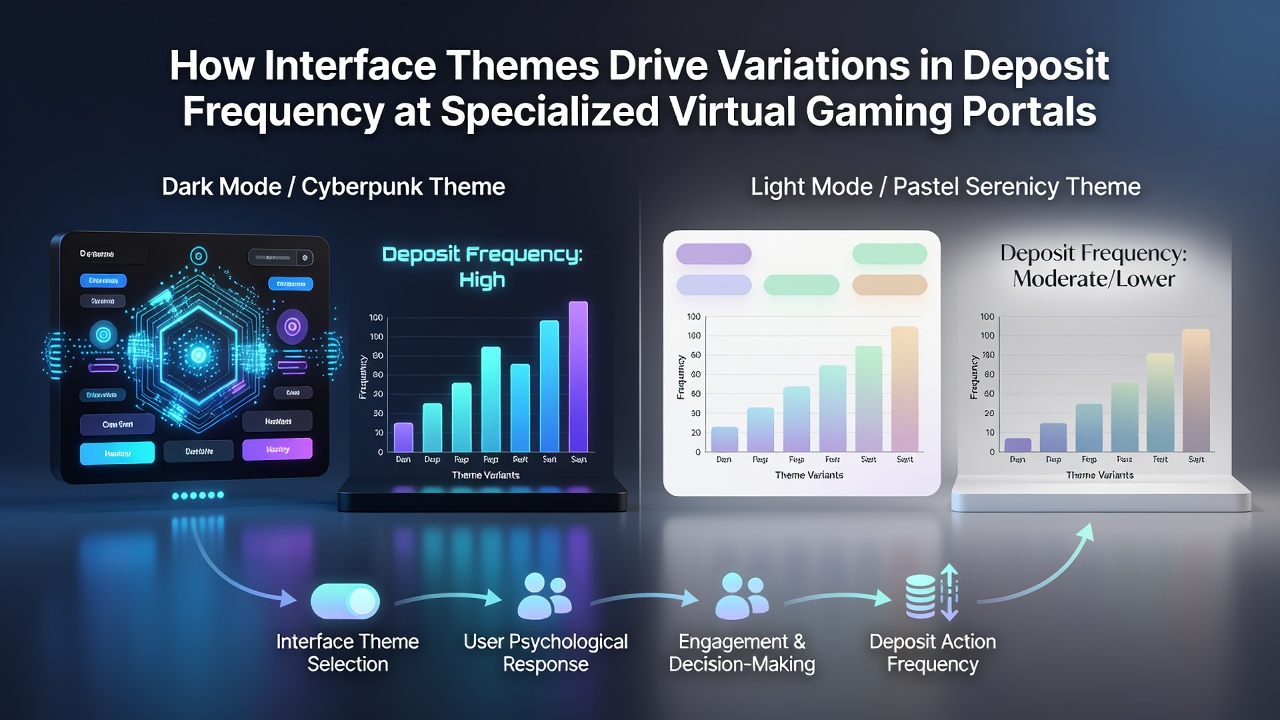
Seasonal adjustments to themes also register effects. When operators update color schemes or add limited-time visual overlays tied to external events, deposit logs show temporary spikes followed by reversion to baseline patterns once the overlay ends. Figures released through regulatory reporting channels in regions such as New Jersey and parts of Canada indicate that these spikes appear most pronounced on platforms already using strong narrative framing.
Contributing Design Factors
Several mechanical choices within themes influence outcomes. Progressive reward meters displayed as part of the visual story increase the likelihood of follow-up deposits, while static achievement lists produce flatter curves. External links to reports from organizations like the European Gaming and Betting Association highlight how reward visibility embedded in thematic interfaces affects session extension across multiple jurisdictions.
Sound design paired with visuals adds another layer. Platforms that synchronize audio cues with deposit confirmation screens record fewer abandoned transactions mid-process. Analysts reviewing transaction timestamps note that these synchronized elements shorten the gap between decision and completion, particularly on portals targeting repeat engagement through serialized content updates.
Measurement Approaches and Data Sources
Operators and independent researchers rely on anonymized transaction datasets combined with interface version testing to quantify effects. Controlled A/B deployments across similar user cohorts demonstrate that even minor shifts in icon placement within a theme can shift deposit timing by several minutes on average. Reports from university-led digital interaction projects confirm that these timing shifts accumulate into meaningful frequency differences over multi-week observation periods.
Geographic variations appear as well. Portals serving Australian markets show stronger responses to earthy, exploration-based themes, whereas North American cohorts respond more to high-energy stylized environments. Cross-referencing with data from the Canadian Gaming Association illustrates how regional preference patterns interact with interface choices to produce distinct deposit rhythms.
Conclusion
Interface themes function as structural variables that shape deposit frequency through visual hierarchy, narrative integration, and feedback mechanisms. Evidence accumulated from session analytics, regulatory filings, and controlled studies demonstrates consistent correlations across specialized virtual gaming portals. Continued monitoring of these design elements provides clearer insight into how thematic decisions translate into behavioral patterns without requiring subjective interpretation of player motivation.