14 Jun 2026
Inside Virtual Ecosystems: How Integrated Reward Frameworks Drive Sustained Activity at Niche Gambling Destinations
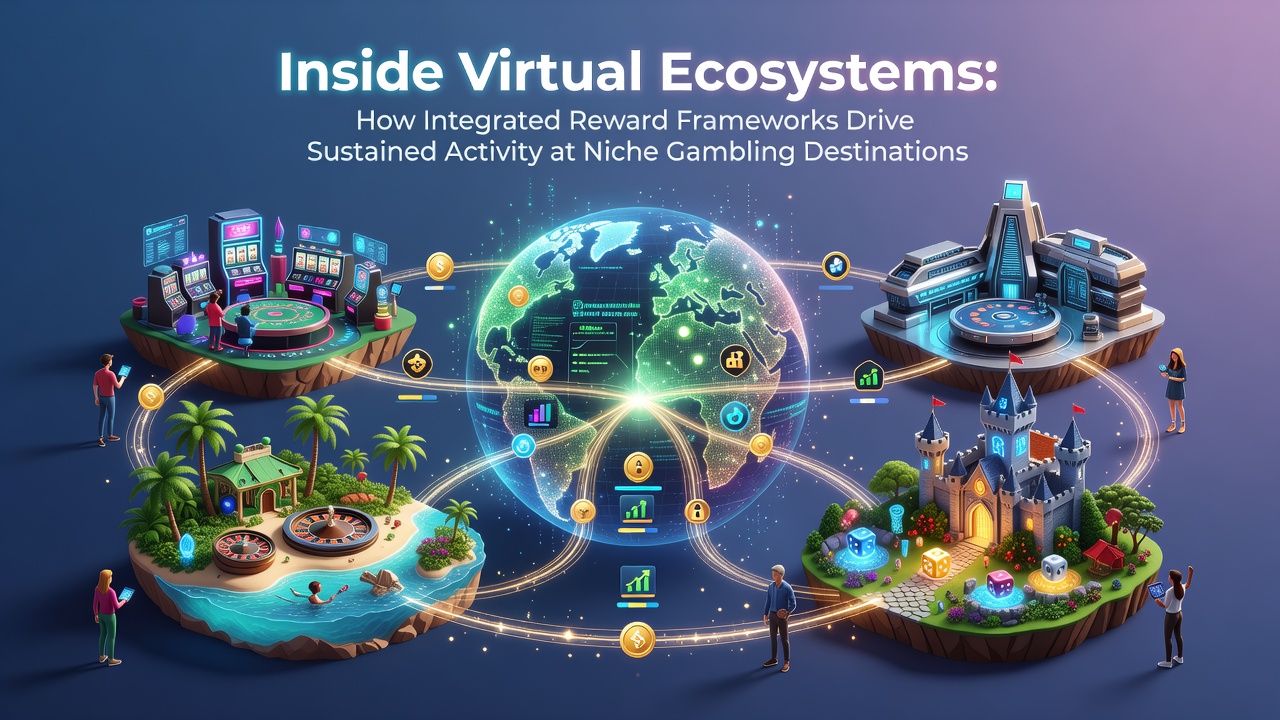
Virtual ecosystems in specialized gambling destinations operate through layered digital structures where reward frameworks connect gameplay elements, user progression, and platform incentives into unified systems, and observers note that these setups encourage repeated engagement by aligning multiple activity streams with cumulative benefits that span sessions and game types.
Mechanics of Integrated Reward Systems
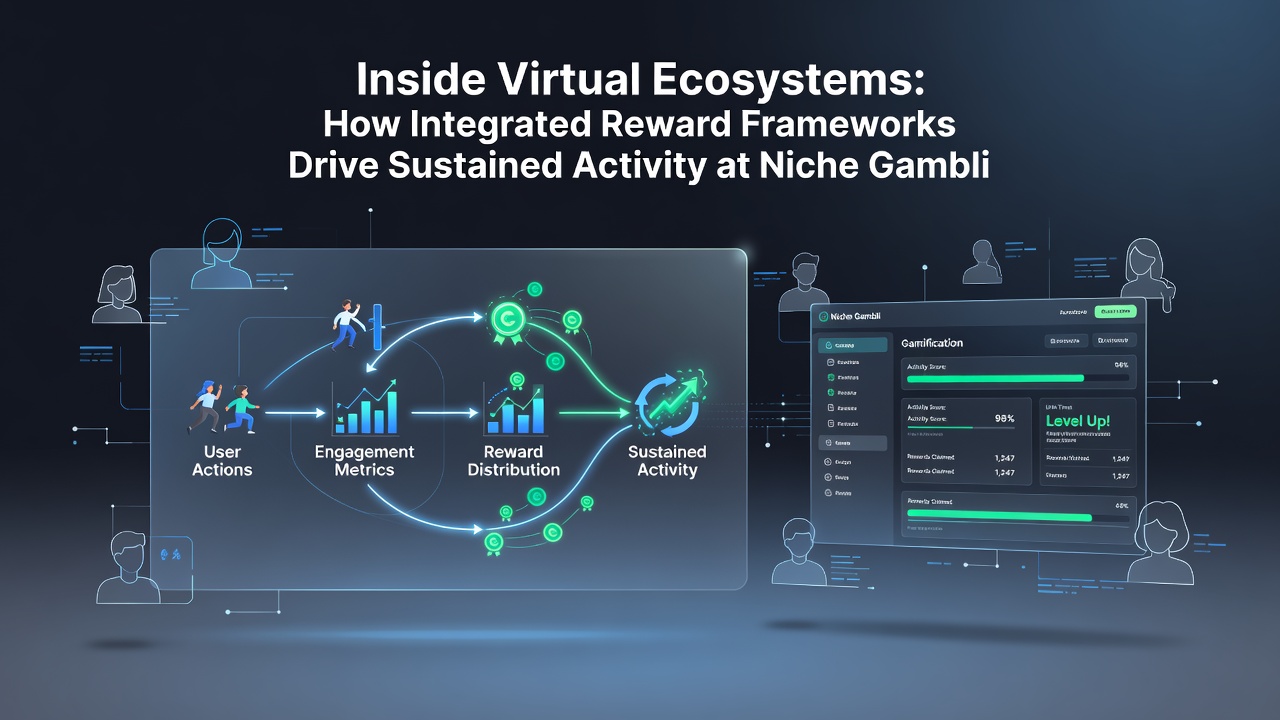
Integrated frameworks combine elements such as loyalty points, tier advancements, and cross-game bonuses into single architectures that track player actions across virtual environments, while data from industry analyses indicates participants accumulate value through consistent interaction rather than isolated transactions; researchers have documented how these connections create feedback loops where early rewards feed into larger structures that maintain momentum over extended periods.
Platforms deploy algorithms that monitor behavioral patterns and adjust reward distribution in real time, allowing systems to respond to individual trajectories with personalized incentives that scale according to volume and variety of play, and figures from operational reports reveal higher session frequencies at sites employing such dynamic adjustments compared to those using static models.
Role of Thematic Design in Sustaining Participation
Thematic elements shape navigation pathways within these ecosystems by embedding reward triggers into narrative and visual layers, which guides users through sequences of challenges and achievements that feel cohesive rather than fragmented, and studies on digital engagement patterns show that unified themes reduce drop-off rates by creating perceived continuity between separate gaming modules.
Specialized destinations incorporate seasonal events and milestone celebrations that layer additional incentives onto core frameworks, extending activity windows beyond standard cycles, while reports compiled through June 2026 highlight measurable upticks in daily active users during coordinated thematic campaigns at select platforms.
Data Patterns and Retention Outcomes
Analytics from multiple platforms demonstrate that integrated rewards correlate with extended player lifetimes, as cumulative structures convert one-time visitors into recurring participants through progressive unlocking mechanisms, and evidence collected by the American Gaming Association points to retention improvements of up to 30 percent in environments where rewards integrate across game categories.
Regional variations appear in how these frameworks perform, with North American sites emphasizing cashback integrations and European counterparts focusing on experiential bonuses, yet both approaches yield similar patterns of sustained activity according to comparative reviews conducted by academic research groups.
Regulatory Context and Transparency Measures
Independent audits verify the fairness of reward calculations and distribution rules, which builds operational trust and supports continued user investment in the ecosystem, and guidelines from bodies such as the Malta Gaming Authority require clear documentation of how integrated systems calculate and deliver benefits to participants.
Compliance standards established in 2025 and refined through mid-2026 mandate regular reporting on reward efficacy, enabling operators to refine frameworks while maintaining alignment with jurisdictional requirements that prioritize player protection alongside commercial objectives.
Future Trajectories for Niche Platforms
Emerging technologies including enhanced data analytics and modular reward engines allow niche destinations to scale integrated systems without compromising thematic specificity, and projections based on current adoption rates suggest further consolidation of activity around platforms that master seamless reward connectivity across expanding game libraries.
Conclusion
Integrated reward frameworks within virtual gambling ecosystems function as central drivers of sustained activity by linking disparate elements into coherent progressions that reward ongoing participation, and available operational data confirms their effectiveness across diverse geographic and thematic implementations when supported by transparent auditing and adaptive design principles.