27 May 2026
Mapping the Flow of Players Through Themed Virtual Gaming Landscapes
 Themed virtual gaming environments rely on structured design elements that guide users through layered digital spaces, and researchers have documented how these elements create connected routes rather than isolated experiences. Data from industry reports shows players often move between sections based on visual cues, reward prompts, and thematic consistency that links one area to another. Studies conducted by academic teams at various universities highlight patterns where users start in introductory zones before progressing to more complex areas, and this progression follows predictable sequences tied to narrative themes. Observers note that color schemes, sound transitions, and interactive objects serve as signposts directing movement without requiring explicit instructions.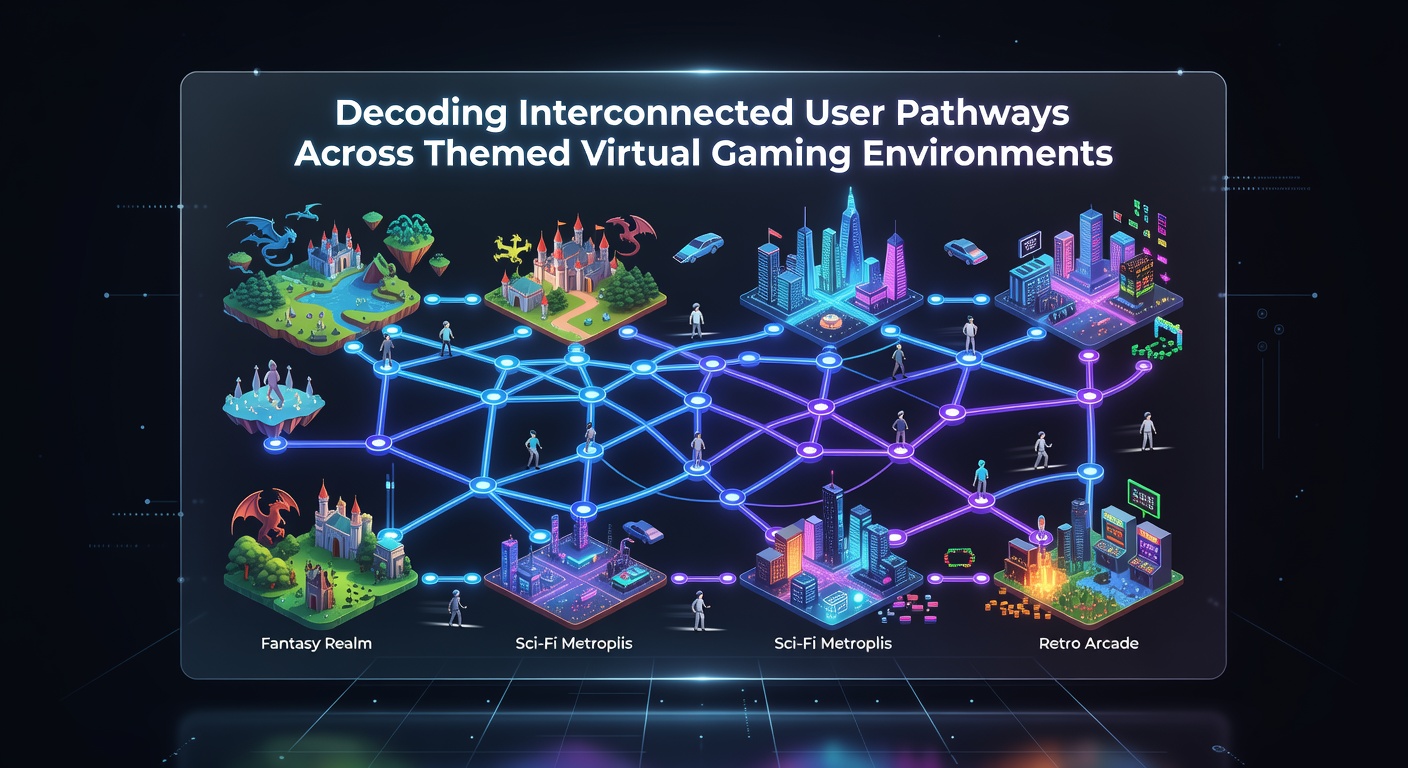
Themed virtual gaming environments rely on structured design elements that guide users through layered digital spaces, and researchers have documented how these elements create connected routes rather than isolated experiences. Data from industry reports shows players often move between sections based on visual cues, reward prompts, and thematic consistency that links one area to another. Studies conducted by academic teams at various universities highlight patterns where users start in introductory zones before progressing to more complex areas, and this progression follows predictable sequences tied to narrative themes. Observers note that color schemes, sound transitions, and interactive objects serve as signposts directing movement without requiring explicit instructions.Core Components of Thematic Navigation
Designers incorporate multiple layers including visual anchors, reward feedback loops, and cross-theme connectors that allow seamless shifts between environments. According to findings from the Australian Gambling Research Centre, these connectors reduce disorientation while maintaining engagement across extended sessions, and figures reveal that retention rates rise when pathways align with consistent storytelling motifs. Players encounter branching options at key junctions, yet the overall structure channels movement toward high-engagement zones. Experts at the Canadian Centre for Gaming Research have tracked session data indicating that users who follow thematic progressions complete more interactions than those who jump randomly between unrelated sections.Data Patterns in User Movement
Analytics platforms collect metrics on entry points, dwell times, and exit sequences, and these datasets demonstrate recurring flows across themed platforms. In May 2026, aggregated reports from multiple operators showed peak activity periods aligning with new theme releases, while pathways between legacy and updated areas maintained steady traffic volumes. Researchers discovered correlations between reward placement and route selection, where strategically positioned incentives pull users along intended paths. This process creates an interconnected web rather than linear trails, allowing multiple entry and exit combinations within the same session.