20 May 2026
Charting Uncharted Virtual Realms: How Thematic Design Elements Shape Player Navigation at Specialized Gaming Sites
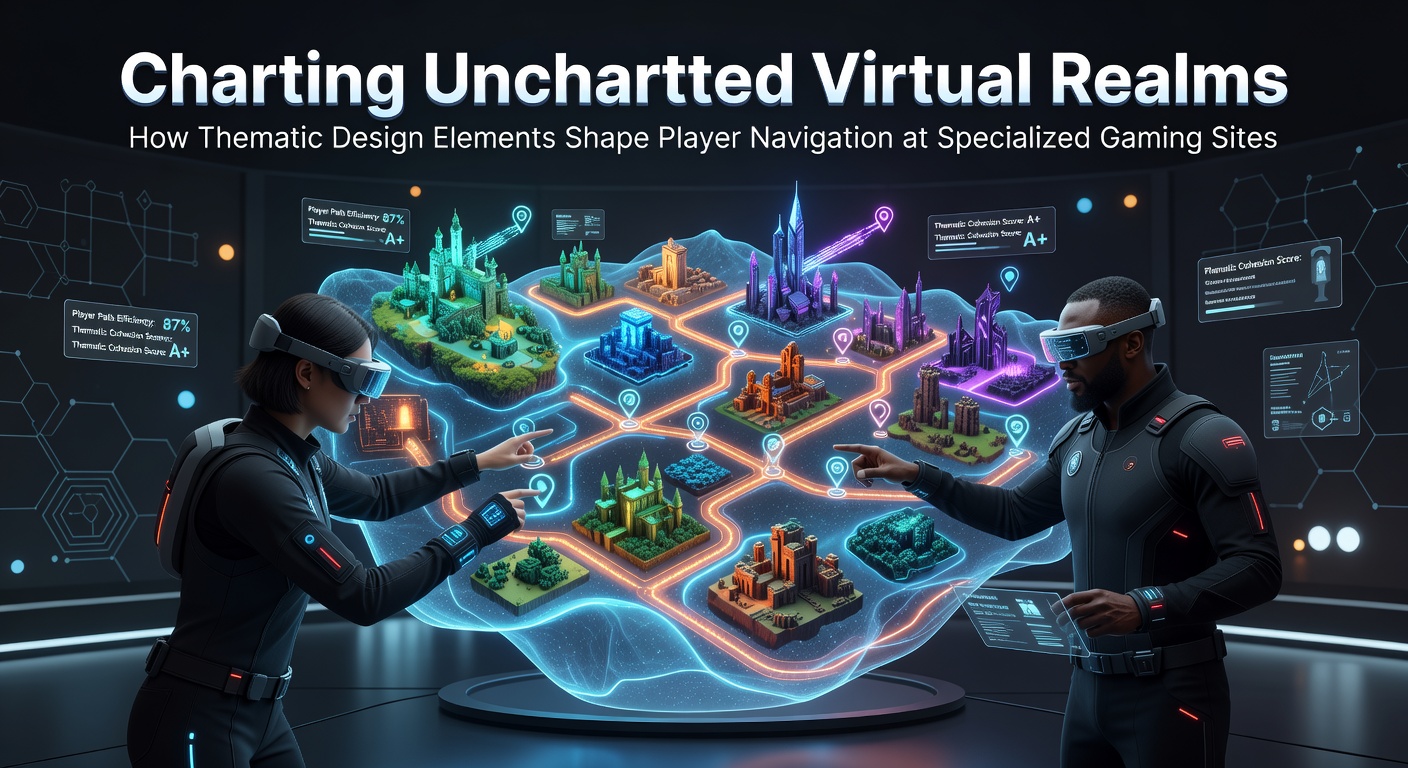 Specialized gaming sites rely on thematic design elements to create coherent worlds that guide players through complex digital spaces, and these choices affect how users locate games, bonuses, and support features without confusion. Observers note that consistent visual motifs such as color palettes, iconography, and spatial layouts help reduce cognitive load during extended sessions. Research indicates that when themes align with narrative backdrops like ancient civilizations or futuristic landscapes, players report smoother transitions between sections because familiar symbols serve as directional cues. Data from industry reports shows increased retention rates at platforms that integrate thematic consistency across menus and loading screens rather than treating them as isolated components. Designers often draw from established storytelling traditions to organize content hierarchies. For instance, a site themed around exploration might place progressive jackpots at the "summit" of a virtual mountain range while slot categories sit along winding trails, allowing intuitive discovery. Those who've studied user behavior in virtual environments find that such arrangements mirror real-world wayfinding principles, where landmarks anchor memory and speed up route selection. In May 2026, several platforms introduced dynamic lighting changes that shift with player progress, further reinforcing these navigational paths through subtle environmental feedback.
Core Components of Thematic Navigation Systems
Color theory plays a central role because warm tones can signal high-activity zones like live dealer areas while cooler shades mark quieter informational hubs. Typography choices reinforce this structure, with bold headers echoing the theme's architectural style and smaller labels providing secondary guidance. Interactive elements such as animated transitions between categories maintain immersion yet still deliver clear functional feedback when clicked or hovered. Experts have observed that audio layers, including ambient soundscapes that intensify near certain game clusters, add another sensory dimension to spatial awareness.
Navigation menus frequently adopt metaphorical forms tied to the overarching narrative. A pirate-themed interface might use a ship's wheel for the main selector, with spokes leading to different game types, whereas a cyberpunk layout could feature holographic panels that users swipe through like data streams. These metaphors succeed when they remain consistent and when tooltips or subtle highlights clarify any less obvious mappings. Studies from academic institutions reveal that mismatched metaphors increase bounce rates, while harmonious ones encourage deeper exploration of the site's offerings.
Case Observations from Established Platforms
Take one analysis conducted across multiple themed environments where researchers tracked eye movements and click patterns during first visits. Participants navigated themed sites faster when core sections followed logical progressions based on the story world, such as moving from entry ports to inner chambers. The same study noted that seasonal theme updates, when executed without disrupting existing pathways, refreshed interest without causing disorientation. Observers note that platforms updating their visual layers in coordinated rollouts tend to preserve player familiarity better than abrupt overhauls.
Psychological and Functional Impacts on Users
Players often discover that thematic cohesion reduces decision fatigue because the environment itself suggests logical next steps. Evidence suggests reward structures placed within narrative contexts feel more integrated, prompting continued engagement along predetermined routes. Regulatory bodies in regions like Ontario have documented how clear visual hierarchies correlate with responsible play indicators, since users can locate session tools without excessive searching. Similar findings appear in reports from Australian research centers tracking digital entertainment trends.

Accessibility considerations intersect with thematic choices when designers ensure high-contrast elements remain legible across different lighting conditions and device screens. Color-blind modes that preserve thematic integrity while adjusting palettes demonstrate that thoughtful implementation can serve broader audiences. Industry organizations tracking technological adoption report rising demand for such adaptable interfaces as virtual environments grow more sophisticated.
Emerging Trends and Measurement Approaches
Analytics teams now combine heat-mapping software with thematic audits to quantify how specific design choices affect dwell time in particular zones. When a new motif launches, baseline navigation metrics collected beforehand allow precise evaluation of improvements or regressions. Those who've examined longitudinal data find that successful themes evolve incrementally, incorporating player feedback loops without discarding proven spatial logic. Government agencies monitoring digital markets across Canada and parts of Europe have begun requesting such performance indicators as part of licensing reviews.
Future developments point toward greater integration of procedural generation that still respects thematic boundaries, letting environments adapt while navigation remains predictable. Research institutions continue publishing papers on these hybrid systems, highlighting both creative potential and the continued need for human oversight in maintaining coherence.
Conclusion
Thematic design elements function as an invisible architecture that shapes how players move through specialized gaming sites, turning potentially overwhelming catalogs into navigable worlds. When these elements receive consistent application, they support discovery, retention, and functional clarity across diverse user groups. Continued observation and data collection from varied regulatory and academic sources will determine how these practices scale with advancing technology in the months ahead.