21 Jun 2026
Analyzing Design Elements That Shape Exploration Patterns in Genre-Specific Virtual Gambling Platforms
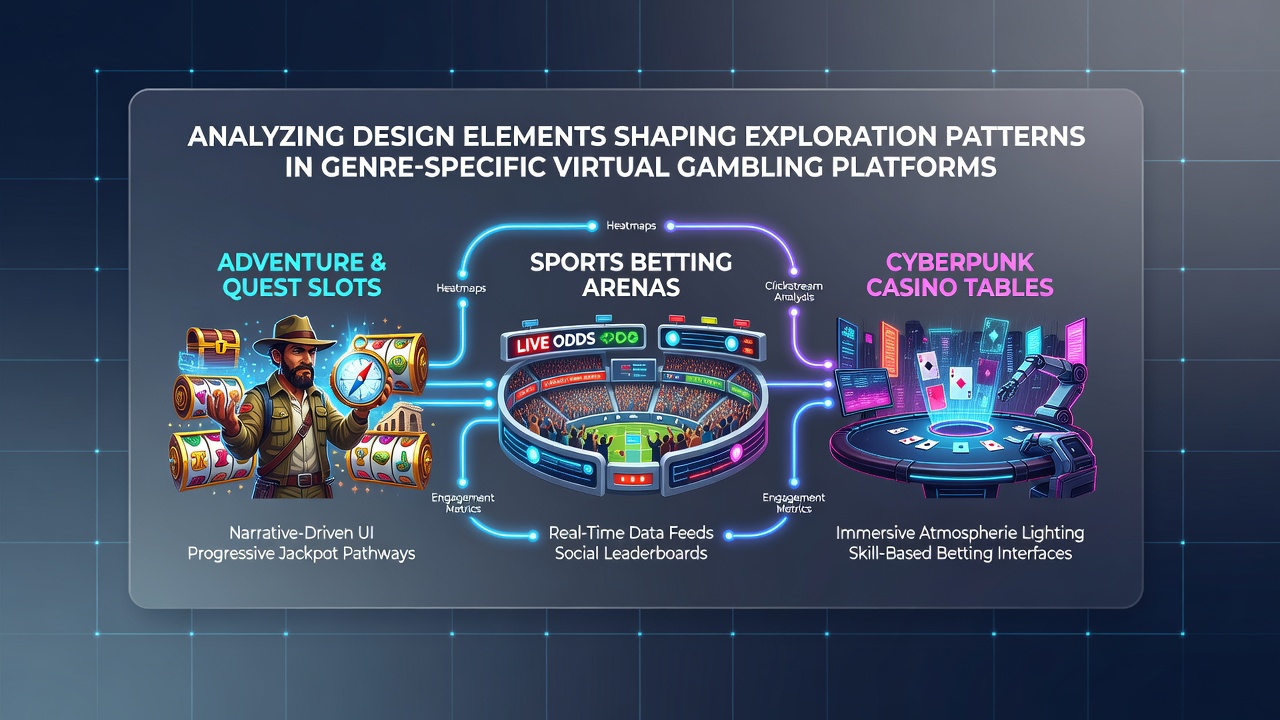
Genre-specific virtual gambling platforms incorporate distinct thematic elements that influence how users move through digital spaces and interact with available features; these platforms often draw from science fiction, historical periods, or fantasy settings to create cohesive environments where visual cues and structural choices guide exploration rather than random clicks or searches.
Designers arrange navigation menus along thematic lines such as spaceship corridors in one case or saloon layouts in another, which directs players toward specific game categories while encouraging them to discover hidden sections through progressive reveals or layered pathways that unfold based on prior selections.
Layout Configurations and Movement Flows
Platform architects position primary controls and category entrances in patterns that align with the overarching narrative, for instance placing central hubs at the core of a virtual map so that users naturally branch outward into themed zones; this approach creates exploration sequences where movement follows logical progressions tied to story progression instead of flat lists of options.
Data collected through user session tracking shows that radial or grid-based arrangements in futuristic platforms lead to higher dwell times in secondary areas compared to linear menu structures common in more traditional setups, while vertical scrolling combined with parallax effects in adventure-themed sites produces different pathing behaviors among returning visitors.
Color, Texture, and Atmospheric Cues
Color palettes serve as directional signals that reinforce genre boundaries and highlight interactive zones, with neon gradients in science fiction environments drawing attention to jackpot areas and muted earth tones in western settings guiding users toward table game sections without explicit labels; textures layered over backgrounds add depth that rewards closer inspection through subtle animations triggered by hover or scroll actions.
Studies from the University of Nevada, Las Vegas have examined how these atmospheric choices correlate with session duration across platforms, revealing consistent patterns where high-contrast accents accelerate movement toward featured content while softer transitions promote broader wandering before commitment to individual games.
Interactive Elements and Progressive Discovery
Clickable objects embedded within the environment function as gateways that unlock additional layers, such as virtual artifacts that expand into mini-maps or character interactions that surface previously hidden game collections; these mechanics encourage iterative exploration where each discovery alters the visible interface to reflect accumulated progress within the themed world.
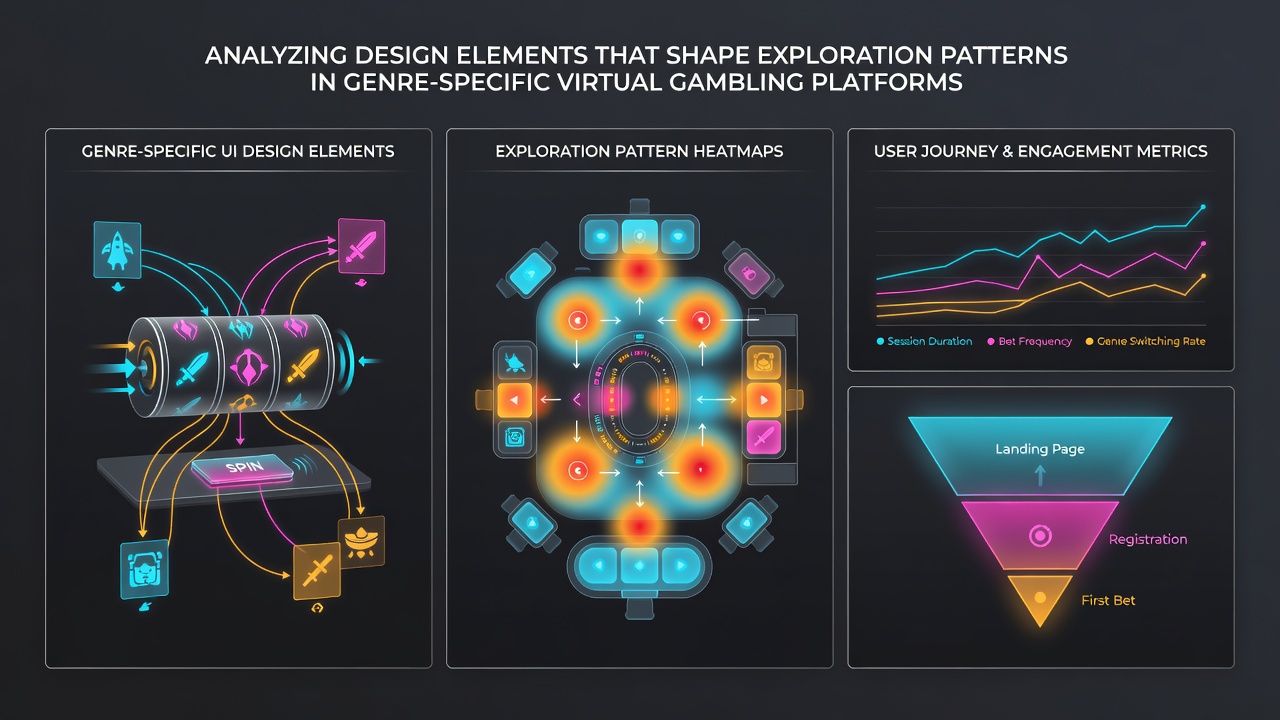
Platform operators in June 2026 continue to refine these systems based on aggregated behavioral metrics that indicate players respond positively to reward loops triggered by exploration milestones, such as temporary access to exclusive rooms after visiting a set number of zones.
Comparative Patterns Across Genres
Observers note measurable differences when comparing exploration metrics between platforms that share similar backend structures yet diverge in thematic execution; fantasy environments tend to feature branching quest-like paths that reward repeated visits through evolving landscapes, whereas horror-themed sites often employ restricted visibility and sound-based prompts that create shorter but more intense navigation cycles.
Industry reports from the Canadian Gaming Association document how these variations affect overall traffic distribution, with certain genres showing stronger retention when design elements emphasize mystery and incremental revelation over immediate accessibility.
Technical Implementation and User Adaptation
Backend algorithms adjust visual density and suggestion prompts according to detected user behavior, which allows the same platform to present different exploration opportunities to new versus experienced visitors while maintaining genre consistency; adaptive scaling of interface elements ensures that mobile users encounter simplified pathways that still preserve the thematic flow experienced on desktop versions.
Regulatory frameworks in multiple jurisdictions, including oversight from the Nevada Gaming Control Board, require transparent disclosure of how such adaptive features operate so that users retain control over personalized navigation settings without compromising the immersive qualities central to genre platforms.
Conclusion
Design elements in these specialized environments operate through interconnected visual, structural, and interactive systems that collectively shape how individuals discover and engage with content over time; continued observation of usage data across regions provides ongoing insight into which combinations produce stable exploration patterns regardless of external market shifts.